Rich Paul Net Worth In 2026: How Klutch Sports And Deals Built It
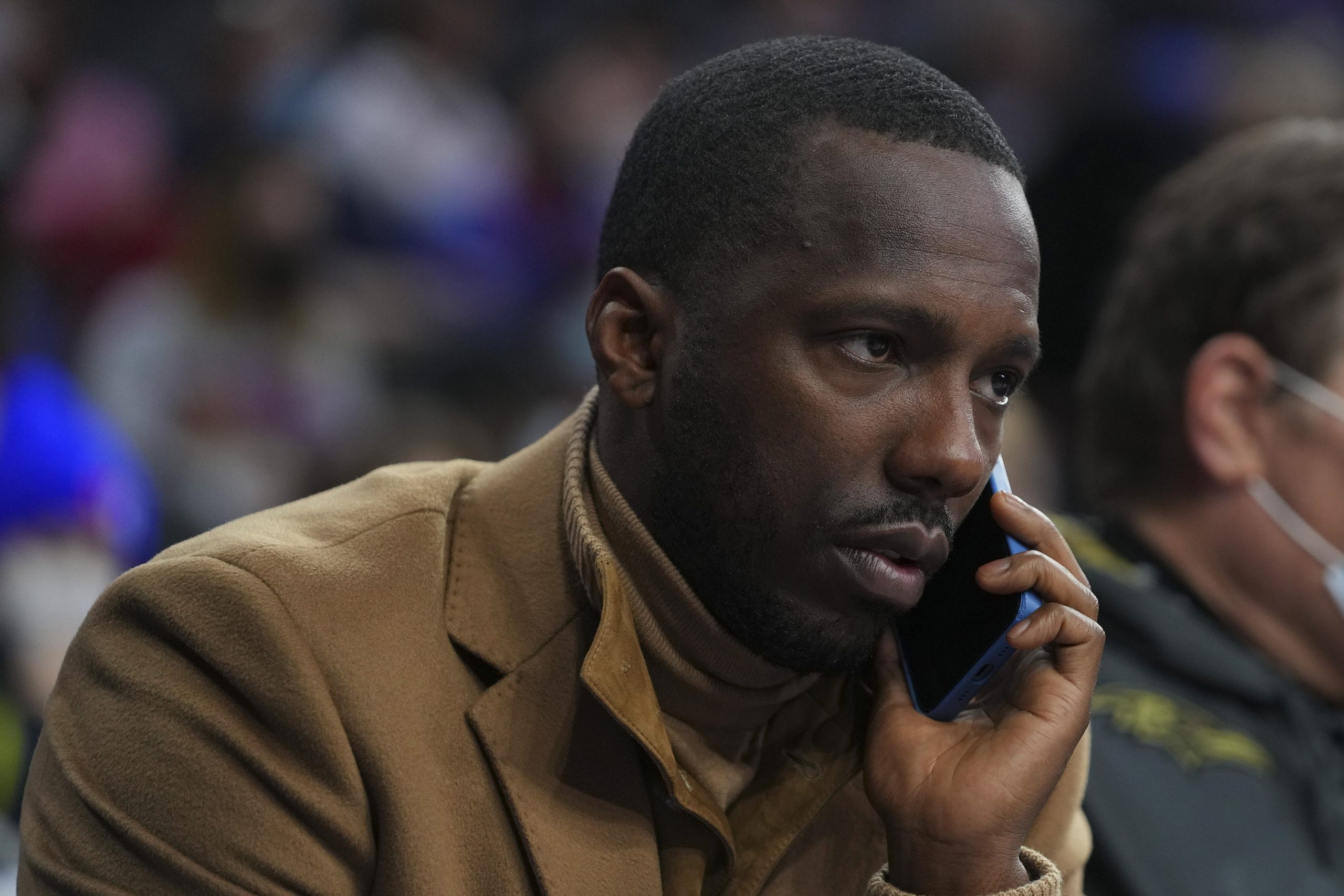
If you’re searching Rich Paul net worth, you’re looking at one of the most influential sports agents of the modern era—someone who turned relationships, negotiation skill, and fearless business instincts into a powerhouse empire. Rich Paul isn’t “just an agent.” He’s the founder of Klutch Sports Group, a major decision-maker in NBA dealmaking, and a figure whose influence extends into endorsements, media, and brand strategy.
In 2026, Rich Paul’s net worth is most often estimated in the $100 million to $200 million range, with many conversations clustering near $120 million to $150 million. Exact numbers vary because private ownership stakes, revenue splits, and deal-by-deal commission totals aren’t publicly listed like a public company’s earnings.
Quick Facts About Rich Paul
- Full name: Rich Paul
- Known for: Founder of Klutch Sports Group, NBA super-agent
- Primary income source: Sports agent commissions and business ownership
- Clients and impact: Represents elite NBA talent and major endorsement negotiations
- Estimated net worth (2026): Roughly $100M–$200M
Rich Paul Net Worth In 2026 The Most Realistic Range
A realistic estimate for Rich Paul net worth in 2026 is $100 million to $200 million. You’ll see smaller or larger numbers online, but this range matches what you’d expect from:
- decades of high-value NBA contract negotiation
- significant influence over endorsement dollars
- ownership in a major agency brand
- an expanding footprint in sports business and media
It’s also important to understand what net worth actually measures. It’s not just annual income. It’s the value of everything he owns (business stakes, investments, property) minus liabilities. For someone like Rich Paul, that business ownership piece is the real multiplier.
How Rich Paul Makes His Money
Rich Paul’s wealth is built from multiple lanes that reinforce each other. The headline is “sports agent,” but the deeper story is “sports business owner.”
1 Agent Commissions From NBA Player Contracts
The most direct driver of Rich Paul’s net worth is commission income from negotiating NBA contracts. In the NBA, agent fees are typically capped under league rules, but even a small percentage becomes huge when you’re negotiating deals worth tens or hundreds of millions.
Here’s the important part: Rich Paul’s roster has included top-tier talent, and the biggest agents tend to represent multiple high earners at once. That means commissions don’t come from one contract—they come from a pipeline of contract renewals, extensions, new signings, and roster movement.
Over time, this creates something like a financial engine:
- a player signs a rookie deal
- then a major second contract
- then extensions, max deals, or new team deals
- plus contract add-ons and negotiation leverage
When you’re the agent behind multiple stars, those commissions stack year after year.
2 Klutch Sports Group Ownership The Wealth Multiplier
The biggest difference between “a well-paid agent” and “a very wealthy sports executive” is ownership. Rich Paul founded Klutch Sports Group, and that matters because owners can earn from the entire operation—not just their personal client commissions.
Agency ownership can produce wealth through:
- revenue generated by other agents under the agency umbrella
- management and advisory fees
- growth in the company’s valuation
- partnerships and business expansions into new sports or markets
Even if you don’t know his exact ownership percentage or private valuation details, the logic is straightforward: if you build a dominant agency brand, the brand becomes an asset.
3 Endorsement Deals And Brand Partnerships
NBA contracts are only part of the money. Many superstars make enormous income from endorsements, and agents often play a major role in negotiating and structuring those deals.
Rich Paul’s involvement in endorsement strategy helps generate:
- commissions from endorsement contract negotiations
- long-term brand positioning that increases client earning power
- deeper relationships with major companies, which increases the agency’s influence
Endorsements are especially powerful because they can be less volatile than sports contracts. A player can get injured and miss time, but an endorsement relationship can keep paying—especially if the athlete’s image remains strong.
4 Long-Term Client Relationships And “Repeat Business”
The secret to elite agent wealth isn’t one big deal. It’s retention. When a client stays with you for years, you earn across multiple contract cycles, not just one negotiation.
Rich Paul has built a reputation for loyalty and long-term relationship building. That matters because:
- long-term clients generate multiple deals over a decade
- clients recruit other clients through word-of-mouth
- your influence grows as your roster grows
In sports representation, trust is currency. When you have it, money follows.
5 Media, Business Visibility, And Influence Value
Rich Paul’s public visibility has increased over the years, and that visibility has business value. When you become a recognizable sports executive—not just a behind-the-scenes negotiator—you gain leverage.
That leverage can translate into:
- more client interest (players want an agent with power)
- more partnership opportunities
- more ability to negotiate with brands and organizations from a position of strength
- increased valuation of your agency brand
In other words, fame isn’t just attention. In business, attention can become negotiating power.
6 Investments And Asset Building
Once someone reaches Rich Paul’s income level, it’s normal to diversify. High earners typically build wealth by moving money into assets that can grow and stabilize net worth over time.
That often includes:
- real estate holdings
- stock and investment portfolios
- private investments and equity in businesses
- strategic partnerships in sports-related ventures
You won’t see a public list of everything he owns, but the broader pattern is consistent: the wealthiest sports executives don’t keep all their money in one lane.
Why Rich Paul Net Worth Estimates Vary Online
If you’ve seen wildly different net worth numbers, that’s normal for someone whose wealth is tied to private businesses and deal structures. Here are the biggest reasons estimates swing:
- Private company valuation is unclear. Klutch Sports isn’t publicly traded, so there’s no daily market price.
- Commission totals aren’t public. You can estimate, but you can’t “verify” without contracts.
- People confuse influence with cash. Being powerful doesn’t automatically mean you’ve liquidated huge wealth.
- Some sites inflate for clicks. Bigger numbers generate more traffic.
The most believable estimates usually focus on what’s plausible given his client roster, years in the business, and the power of agency ownership.
What Makes Rich Paul’s Wealth Story Different From Most Agents
Many agents are successful, but Rich Paul became culturally significant. His career has been treated as a blueprint for a new kind of sports power: more player-empowerment driven, more brand-strategy oriented, and more comfortable operating in public narrative spaces.
That difference matters financially because it helps him attract:
- elite clients who want influence
- brands that want proximity to sports culture
- business partners who want to build with a proven operator
When you’re not just negotiating contracts but shaping the landscape, the earning ceiling gets much higher.
How Rich Paul Likely Keeps Growing His Net Worth
If you’re looking at “what happens next,” the most obvious growth drivers are:
- agency expansion: more clients, more agents, more sports categories
- media and content: sports business increasingly overlaps with entertainment
- equity and investment plays: shifting from income to ownership
- global brand growth: basketball is international, and so is endorsement money
That’s how a net worth in the hundreds of millions becomes realistic over time: not just earning more, but owning more.
Bottom Line
Rich Paul net worth in 2026 is most realistically estimated around $100 million to $200 million, with many discussions landing near $120 million to $150 million. He built that wealth through NBA contract commissions, endorsement deal negotiations, and—most importantly—ownership and leadership of Klutch Sports Group. If you want the simplest takeaway: Rich Paul didn’t get rich from one client or one deal. He got rich by building a machine that keeps producing deals year after year.
Featured image source: https://awfulannouncing.com/nba/rich-paul.html