Elina Svitolina Biography: Ukraine’s Tennis Star, Titles, Comeback, and Family Life
Elina Svitolina is the kind of player you notice even before the scoreline tells you to. She competes like every rally is negotiable, refuses to hand over free points, and somehow looks most dangerous when the match gets tense. Beyond the court, her story has grown bigger than tennis: an Olympic medal for Ukraine, a high-profile marriage, motherhood, and a comeback that unfolded while her country was under attack.
Who is Elina Svitolina?
Elina Svitolina is a Ukrainian professional tennis player who reached a career-high singles ranking of world No. 3 and became one of her country’s most accomplished athletes. She’s known for elite defense, smart counterpunching, and a competitive edge that makes her extremely difficult to beat over three sets.
While she’s had plenty of highlight wins, her reputation is built on consistency: year after year, she’s been a presence in the biggest tournaments, the kind of player top seeds don’t want to see in their draw.
Early life and the rise of a Ukrainian tennis flagship
Svitolina was born in Odesa, Ukraine, and developed into a top junior before transitioning into the pro tour. Her pathway mattered because Ukrainian tennis didn’t have the same built-in pipeline as the traditional powerhouses. She had to earn her way into the global conversation through results, not hype.
From the beginning, her tennis identity leaned toward speed, movement, and mental discipline. She wasn’t built around one giant weapon; she was built around winning the point anyway—by defending, redirecting pace, and waiting for the exact moment to strike.
Playing style: why she’s so hard to beat
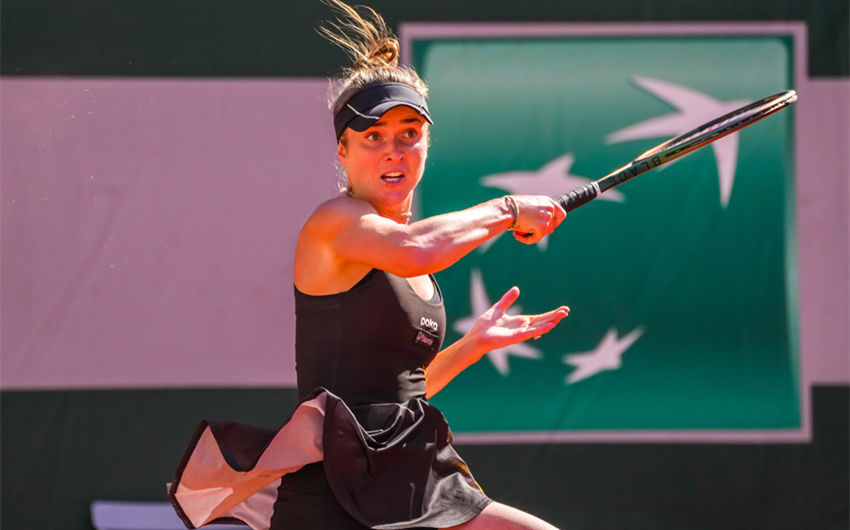
If you’ve watched Svitolina even once, you know the pattern: she makes opponents hit one more ball than they planned to. Her movement is a foundation, but her real strength is how she uses that movement to solve problems in real time. She reads patterns quickly, absorbs pressure without panicking, and turns defense into offense without needing a miracle shot.
She’s also a momentum manager. Some players ride emotions; Svitolina often controls them. When she’s locked in, you can feel her dragging the match into her preferred world: longer rallies, fewer cheap errors, and a steady squeeze that forces the other player to take bigger risks.
Big career milestones and signature achievements
Svitolina’s trophy case is defined by high-level consistency and big-event credibility, including winning the season-ending WTA Finals in 2018—one of the hardest titles to claim because it’s packed with the best players in the world.
She also made deep runs at majors across multiple seasons, proving she could handle different surfaces and different versions of pressure. Her ability to peak for big tournaments is part of why she stayed near the top for so long.
Grand Slam runs that shaped her reputation
Even if you don’t track week-to-week rankings, you probably remember Svitolina for her Grand Slam moments—the stretch where she kept pushing into the final rounds and made it clear she wasn’t just “top 10 good,” but “title-week dangerous.”
One of her defining late-career chapters came at Wimbledon 2023, where she reached the semifinals after returning from maternity leave. That run hit harder than a typical semifinal because it wasn’t just about tennis form—it was about timing, resilience, and the emotional weight of representing Ukraine during wartime.
Olympic bronze and representing Ukraine on the biggest stage
Svitolina’s national legacy is anchored by her Olympic bronze medal for Ukraine (Tokyo Olympics held in 2021). Olympic tennis is brutal—short format, high pressure, tiny margins—and bringing home a medal elevated her from star player to national sporting symbol.
For Ukrainian fans, that medal wasn’t just a career achievement. It was a statement: Ukraine belongs on the biggest sporting stages, and Svitolina was one of the faces proving it.
Elina Svitolina’s husband and family life
Svitolina is married to French tennis player Gaël Monfils. They got engaged in 2021 and married in July 2021. Their relationship became a fan favorite because it feels genuinely warm—two elite competitors who still look like they’re having fun being a team.
In 2022, they welcomed their daughter, Skaï. Motherhood changed the rhythm of her career, but it didn’t end it. In many ways, it sharpened her public story: she wasn’t just chasing wins anymore; she was building a life that included wins, family, and boundaries.
The comeback: returning after maternity leave
Svitolina’s post-maternity return became one of the most admired comebacks in modern women’s tennis, not only because she returned, but because she returned with real threat level. That’s the difference between “back on tour” and “back to matter.”
She didn’t come back playing safe tennis. She came back competing like someone who still expects to beat top players, and that mindset is a huge part of why her comeback wasn’t a short-lived feel-good story.
Competing during war: the emotional weight of her era
Since Russia’s full-scale invasion of Ukraine, Svitolina’s career has carried a different kind of meaning. She has often been framed as competing with her country on her mind—playing matches while family, friends, and fellow Ukrainians are living through war.
You can see it in the way crowds respond to her, especially at majors. Her matches often feel bigger than tennis because the symbolism is unavoidable: one athlete, one flag, one public platform, and a world paying attention.
Where she stands now: why she remains a top-level threat
What separates Svitolina from a lot of “former top players” is that she doesn’t rely on nostalgia. When she’s healthy and match-fit, she still has a game that translates against elite opponents: movement, discipline, and the ability to drag you into long, uncomfortable rallies until you blink first.
That’s also why her later-career success has felt so convincing. It isn’t a short hot streak. It’s the natural result of a style built on fundamentals that age well—fitness, problem-solving, and mental toughness.
Why fans respect her, even if she’s not your favorite player
Svitolina has a rare kind of respect in tennis culture. Even when she’s not the most hyped name in a given season, players know what she represents: a match that’s going to be physical, tactical, and mentally demanding. She forces you to earn everything.
She also represents a model of longevity that’s difficult to pull off in modern tennis—staying relevant through changing eras, changing opponents, and changing personal life chapters. Not many players can step away for motherhood and return with major-week impact. She did.